Smoking Scorpions in Pakistan . Across the globe, substance abuse trends frequently evolve in unexpected ways as individuals seek novel psychoactive experiences. In recent years, reports emerging from parts of South Asia—particularly the Khyber Pakhtunkhwa province in northwestern Pakistan—have highlighted a disturbing and unusual practice: individuals burning and smoking dried scorpions to achieve altered states of consciousness.
While the concept of utilizing animal venom for mind-altering purposes might sound like urban legend, local accounts detail a persistent subculture built around this hazardous practice. However, beyond the sensational headlines lies a dangerous reality characterized by severe toxicological risks, extreme health complications, and a total absence of medical safety.
How the Practice Is Carried Out
According to regional accounts, the process of preparing a scorpion for smoking is both rudimentary and highly dangerous:
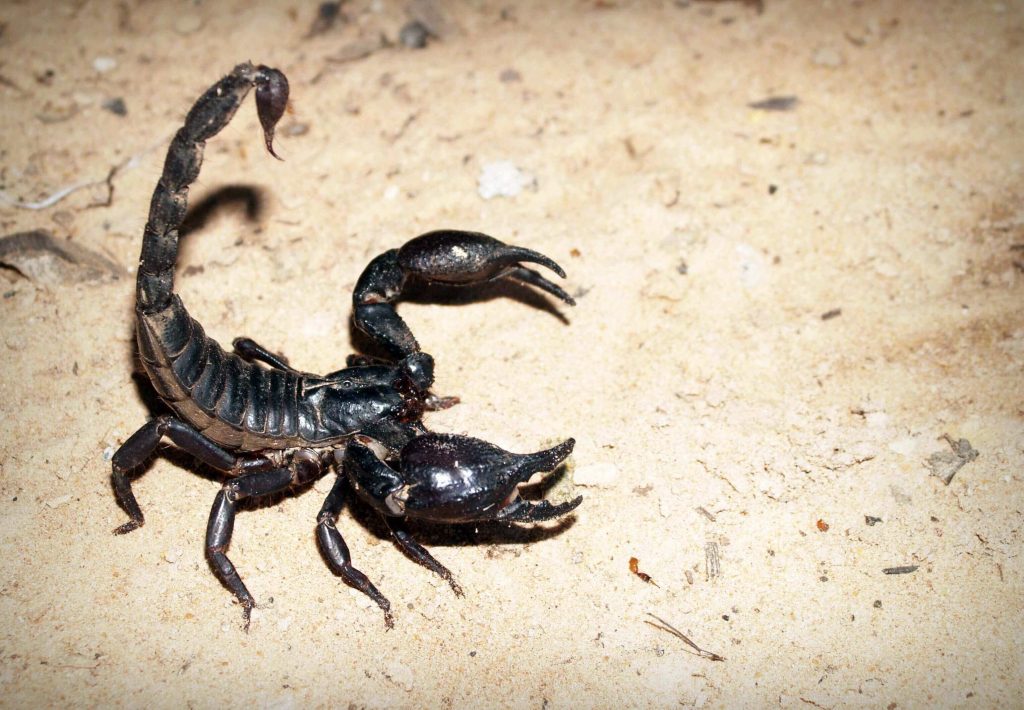
- Capturing and Drying: Live scorpions are captured from arid, rocky terrains and dried thoroughly under direct sunlight or over open flames.
- Grinding and Mixing: Once fully dehydrated, the scorpion’s tail and sting—which contain the highest concentration of venom glands—are crushed into a powder or burned directly over hot coals.
- Inhalation: The resulting ash or smoke is inhaled directly through a pipe or mixed with tobacco and hashish in rolled cigarettes.
Users report that the smoke delivers an immediate, intense rush to the central nervous system, often described as a sudden surge of altered sensory perception.
Reported Psychoactive Effects and Duration Myths
Those who indulge in smoking scorpions describe a complex, erratic mental state. Initial sensations reportedly range from heightened alertness and visual hallucinations to severe disorientation and numbness.
In popular media and local lore, claims frequently circulate that smoking scorpion venom delivers a predictable, sustained high lasting upwards of 10 hours or more. However, addiction experts and medical researchers emphasize that these assertions of a uniform 10-hour duration are not backed by controlled scientific research.
Because scorpion venom consists of an unpredictable cocktail of neurotoxins, proteins, and chemical compounds, the psychoactive experience varies wildly depending on several uncontrollable factors:
- The specific scorpion species captured (ranging from mildly toxic to lethal species like the Deathstalker or Indian Red Scorpion).
- The amount of active venom preserved during the drying and burning process.
- The physical tolerance, health status, and metabolic rate of the individual user.
Rather than a controlled euphoria, many users report experiencing terrifying panic, profound confusion, and severe hallucinations that feel completely overwhelming.
The Extreme Health Risks of Inhaling Scorpion Venom
From a medical and toxicological standpoint, inhaling burned scorpion tissue and venom poses extreme risks to human health. Scorpion venom is naturally evolved to immobilize or kill prey through potent neurotoxic mechanisms, not to be safely processed by human lungs or the brain.
1. Severe Neurological Toxicity
Scorpion venom contains complex neurotoxins that target ion channels in human nerve cells. Inhaling these toxins can trigger severe central nervous system reactions, including uncontrollable muscle tremors, involuntary twitching, intense migraines, loss of motor coordination, and in severe cases, seizures or loss of consciousness.
2. Respiratory Complications and Lung Damage
The human respiratory system is not equipped to handle the chemical byproducts of burning animal proteins, chitinous exoskeletons, and active venom proteins. Inhaling this toxic smoke can lead to acute pulmonary edema (fluid buildup in the lungs), severe bronchial spasms, respiratory distress, and permanent lung tissue damage.
3. Cardiovascular Collapse
Neurotoxins present in scorpion venom can cause rapid surges in blood pressure and heart rate. This sudden cardiovascular strain increases the immediate risk of cardiac arrhythmias, heart failure, and stroke, particularly in individuals with underlying health conditions.
4. High Potential for Dependency and Withdrawal
Desperation driven by addiction often leads individuals to seek out extreme substances when standard drugs are unavailable or unaffordable. The severe physical strain caused by scorpion smoke, combined with its erratic impact on dopamine pathways, creates a vicious cycle of addiction followed by painful, physically agonizing withdrawal symptoms.
The Science Vacuum: What Researchers Still Don’t Know
One of the most alarming aspects of this dangerous trend is the vast scientific unknown surrounding it. Toxicologists and medical researchers know remarkably little about how complex venom proteins alter chemically when subjected to high heat and combustion.
Because controlled clinical trials on inhaling burned venom are ethically impossible, scientists cannot determine how heat modifies the molecular structure of these neurotoxins. It remains unclear whether combustion partially neutralizes certain toxins or creates even more dangerous, volatile chemical compounds that harm internal organs.
Addressing a Dangerous Public Health Issue
The phenomenon of smoking scorpions highlights the desperate measures to which individuals struggling with severe substance abuse disorders may turn. Mitigating this dangerous trend requires community awareness, public health intervention, and accessible addiction treatment services.
Relying on animal venom to chase a high is not a harmless thrill—it is a life-threatening gamble with unpredictable neurotoxins that can result in permanent neurological injury, severe respiratory illness, or sudden death.Smoking Scorpions in Pakistan
More similar article on this link