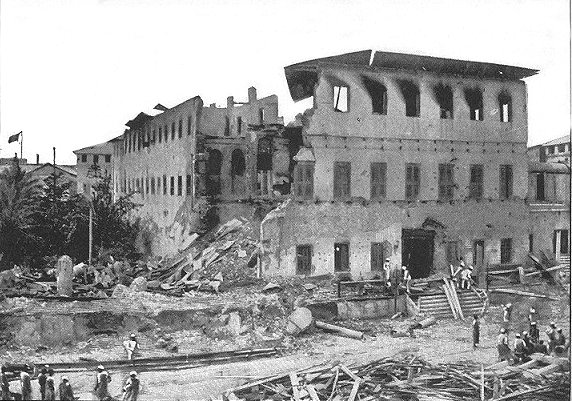
The Shortest War in History . In the annals of history, where conflicts often stretch into years of attrition and upheaval, there exists a stark anomaly: the Anglo-Zanzibar War of August 27, 1896. This wasn’t a protracted struggle for territory or ideology, but a blink-and-you-miss-it confrontation, famously etched as the shortest war ever recorded. Its mere twenty-eight minutes encapsulate a dramatic clash of imperial will and the swift, decisive power of a global empire.
The spark that ignited this historical brevity was Sultan Khalid bin Barghash’s audacious seizure of power in Zanzibar, a move made without the crucial endorsement of the British, who held significant sway over the island. This act of defiance prompted a firm response from the colonial power. An ultimatum was issued, demanding the Sultan’s immediate abdication.
The Shortest War in History
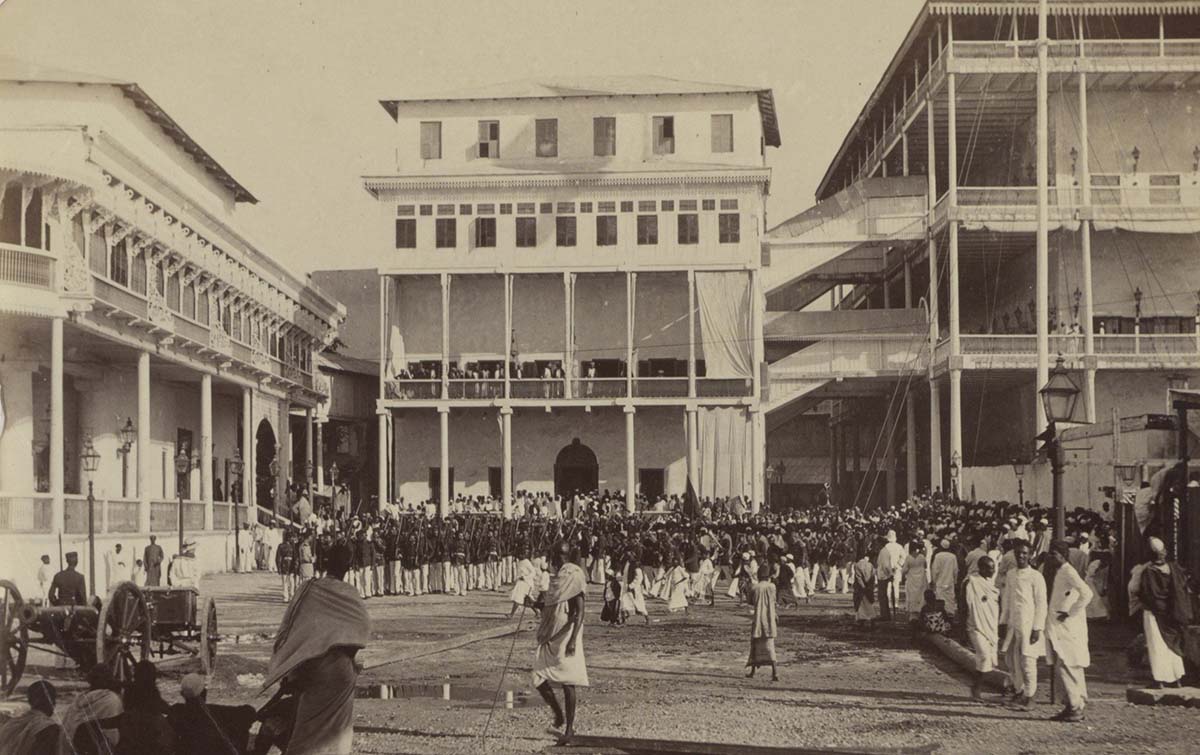
Khalid bin Barghash’s refusal to yield set the stage for a dramatic and rapid escalation. The British response was unequivocal: a naval bombardment of the Sultan’s palace. What ensued was a display of overwhelming force, a testament to the era’s stark power imbalances. Within less than half an hour, the Sultan’s forces were routed, his ambitions crushed under the weight of British artillery.
The human cost of this fleeting conflict, though brief, was significant for the Zanzibaris. Approximately 500 casualties were reported on their side, a stark reminder of the devastating impact of even a short war. In stark contrast, the British forces suffered a single reported injury to a sailor, highlighting the asymmetry of the engagement.
The Anglo-Zanzibar War serves as a fascinating, if sobering, historical footnote. It underscores the reach and decisiveness of British imperial power at the end of the 19th century. It’s a tale of ambition thwarted by overwhelming might, compressed into a timeframe shorter than many television episodes. This “twenty-eight minute war” remains a compelling example of how quickly history can pivot, and how swiftly the consequences of defiance can unfold. It stands as a unique and somewhat unbelievable chapter in the narrative of colonial encounters, a powerful reminder that even the shortest of conflicts carries a significant human story.