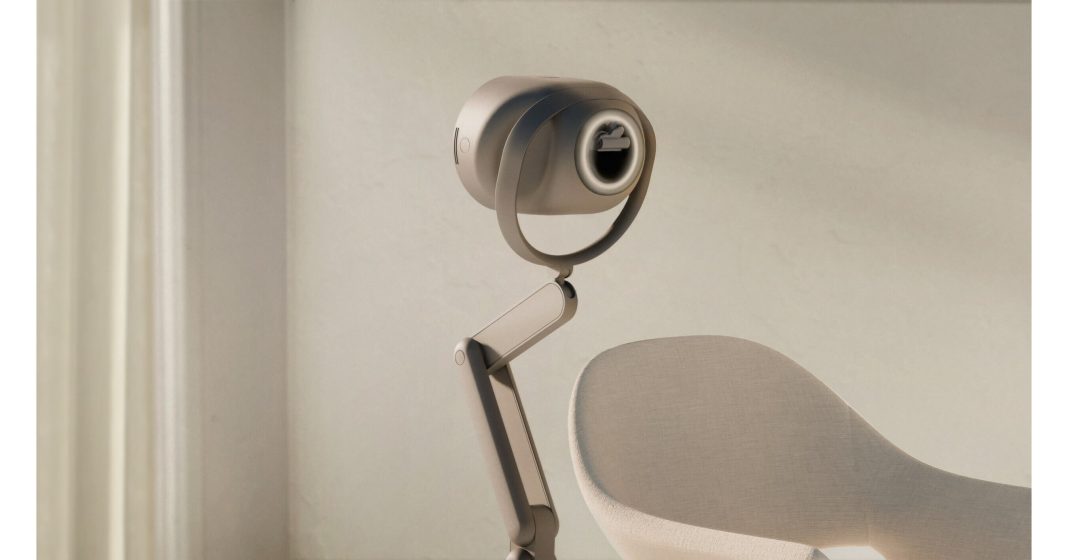
HaloBraid . The beauty technology sector is experiencing a historic shift, driven by robotics, automation, and engineering innovation. At the forefront of this revolution is Yinka Ogunbiyi, a visionary Nigerian-American engineer who has developed HaloBraid—the world’s first robot capable of braiding human hair.
Rather than seeking to replace human creativity and artistry, HaloBraid is designed as an assistant for professional hairstylists. By taking over the tedious, repetitive physical labor involved in complex braiding, the robot dramatically reduces physical fatigue for braiders, significantly speeds up appointment times, and unlocks new economic opportunities for salon owners.
With $7 million secured in seed funding and over 7,000 salons across the United States already signed up on the waitlist, HaloBraid is poised to reshape the global beauty industry.
The Inspiration Behind HaloBraid
Traditional hair braiding is a celebrated cultural art form and a staple service in Black hair care. However, it is also an extraordinarily labor-intensive process. Getting intricate box braids, cornrows, or protective styles often requires sitting in a salon chair for anywhere from 6 to 12 hours. For the stylists, performing these repetitive manual movements for hours on end leads to severe chronic physical strain, including carpal tunnel syndrome, back pain, and joint wear.
Recognizing both the consumer frustration with grueling appointment lengths and the physical toll on stylists, Yinka Ogunbiyi set out to apply modern mechanical engineering and robotics to this age-old challenge.
Ogunbiyi, who holds an engineering background, spent years researching the mechanics of hair tension, sectioning, and fiber manipulation. Braiding human hair presents unique engineering hurdles compared to industrial manufacturing: human hair varies widely in texture, curl pattern, density, and elasticity. Developing a robotic mechanism capable of gently handling natural hair without causing pain, pulling, or breakage required groundbreaking design precision.
How HaloBraid Works
HaloBraid functions as an intelligent, automated assistant that works alongside a human hairstylist during a salon appointment.
- Stylist Preparation: The human stylist retains complete creative control over the client’s hair health and overall aesthetic. The stylist washes, conditions, detangles, and parts the client’s hair, establishing the pattern and sections for the desired style.
- Automated Braiding: Once the hair is sectioned, the HaloBraid mechanism is engaged. Operating without requiring constant manual supervision, the robot precisely intertwines the hair strands, maintaining consistent tension and uniform braid structure throughout the process.
- Stylist Finishing: While HaloBraid executes the repetitive braiding motion, the stylist can prepare the next hair extension sections, attend to another client, or finish the ends of completed braids.
By automating the most time-consuming phase of the service, HaloBraid cuts down total appointment time by up to 50% or more. A traditional 8-hour braiding session can be completed in a fraction of the time, providing a vastly improved experience for the client while freeing the stylist from continuous physical exertion.
HaloBraid – Assisting Stylists, Not Replacing Them
A common concern surrounding robotics and artificial intelligence in consumer industries is job displacement. However, Ogunbiyi has emphasized from the beginning that HaloBraid is built to empower human stylists, not replace them.
Hair care—especially within the textured hair community—is deeply personal, relational, and artistic. A machine cannot replace a stylist’s expertise in diagnosing scalp health, selecting proper hair care products, determining custom sectioning patterns, or providing a warm, welcoming salon environment.
Instead, HaloBraid serves as a force multiplier for salon professionals:
- Reduced Physical Strain: By delegating the repetitive braiding motion to the machine, stylists protect their hands, wrists, shoulders, and back from long-term occupational injuries.
- Increased Salon Revenue: Faster appointment times allow stylists to accommodate more clients per day without working longer hours, significantly boosting their daily earning potential.
- Better Client Retention: Clients who previously avoided protective styles due to day-long sitting times are much more likely to book regular appointments when sessions are efficient and comfortable.
Massive Market Demand and Investor Backing
The beauty industry’s enthusiasm for Ogunbiyi’s invention is reflected in both financial backing and commercial interest.
HaloBraid successfully raised $7 million in seed funding from prominent venture capital firms and strategic investors who recognize the immense untapped potential of Black beauty tech. The funding is being utilized to accelerate research and development, scale manufacturing operations, refine the hardware algorithms, and prepare for widespread commercial rollout.

Furthermore, market demand has exceeded initial expectations. Ahead of its official commercial launch, over 7,000 salons across the United States have already joined the product waitlist. This massive pre-launch interest underscores how eager salon owners and independent stylists are for hardware solutions that modernize their workflow and relieve physical burnout.
Industry Impact Overview
To highlight how HaloBraid transforms the salon experience, the table below compares traditional manual braiding with the HaloBraid-assisted workflow:
| Metric / Aspect | Traditional Manual Braiding | HaloBraid-Assisted Workflow |
| Average Service Duration | 6 to 12 hours | Reduced by 50% or more |
| Physical Impact on Stylist | High risk of carpal tunnel & fatigue | Significantly reduced physical exertion |
| Stylist Capacity | Typically 1 to 2 clients per day | Ability to serve multiple clients efficiently |
| Client Comfort | Exhausting, multi-hour chair stays | Fast, comfortable, and streamlined |
| Braider Role | Continuous manual labor | Creative direction, scalp care & finishing |
HaloBraid – The Future of Beauty Tech and Representation
Yinka Ogunbiyi’s success with HaloBraid represents a crucial milestone for diversity in engineering and tech entrepreneurship. Historically, Black beauty products and specialized hair care tools have been underrepresented in mainstream venture capital and engineering research. By applying cutting-edge robotics to textured hair care, Ogunbiyi demonstrates how inclusive engineering can solve real-world problems for underserved markets while building high-growth technology companies.
As HaloBraid prepares to enter salons nationwide, it marks the beginning of a new era where technology and human artistry coexist seamlessly to elevate the salon experience for both stylists and clients alike.