
What to Eat for Better Sperm Health . Male fertility and overall reproductive health are closely connected to daily lifestyle habits, with nutrition playing a foundational role. Sperm production, count, motility, and morphology require a continuous supply of vital nutrients, antioxidants, essential minerals, and healthy fats. Conversely, diets high in ultra-processed ingredients, inflammatory fats, and refined sugars can induce oxidative stress and hormonal imbalances, negatively impacting sperm quality over time.
Understanding which foods actively support male fertility—and which ones hinder it—empowers men to make informed nutritional choices to protect and optimize their reproductive health.
Foods That Lower Sperm Count and Quality
Certain dietary choices contribute to systemic inflammation, oxidative damage to sperm cell membranes, and disruptions in key reproductive hormones like testosterone. Limiting or avoiding the following foods is essential for maintaining optimal sperm health:
- Soda and Sugary Drinks: Carbonated soft drinks and sweet beverages are packed with high-fructose corn syrup and refined sugars. High sugar intake triggers insulin spikes, increases body fat, and elevates oxidative stress—factors directly linked to reduced sperm motility and lower overall sperm concentration.
- Alcohol: Excessive alcohol consumption interferes with the hypothalamic-pituitary-gonadal axis, disrupting testosterone synthesis. Chronic or heavy drinking can lead to impaired sperm production, structural abnormalities, and diminished libido.
- Processed Meat: Meats such as sausages, hot dogs, bacon, and cured cold cuts often contain high levels of saturated fats, preservatives, and synthetic additives. Studies show that high consumption of processed meats is associated with lower normal sperm morphology and reduced total sperm counts.
- Fried Foods: Deep-fried items absorb large quantities of degraded cooking oils rich in trans fats and advanced glycation end-products (AGEs). These compounds promote systemic inflammation and oxidative stress, damaging fragile sperm cells.
- Candy and Refined Sweets: Confectionery products deliver empty calories while spiking blood glucose levels. Diets heavy in processed candies contribute to metabolic dysfunction, weight gain, and impaired testicular function.
- Trans Fats: Commonly found in commercial baked goods, margarines, fast foods, and hydrogenated oils, trans fats impair cell membrane fluidity. Research shows a strong correlation between high trans fat intake and significantly reduced sperm counts.
Foods That Boost Sperm Count and Motility
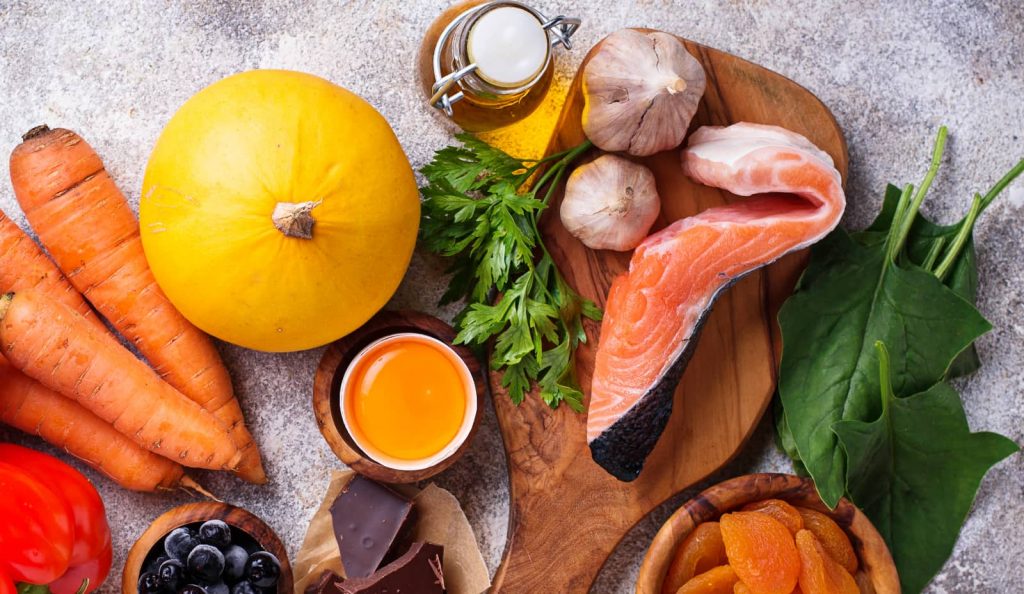
To enhance sperm concentration, structural integrity, and swimming performance, focus on incorporating nutrient-dense whole foods rich in zinc, omega-3 fatty acids, folate, and antioxidants:
- Eggs: A power-packed source of complete protein, vitamin E, and B vitamins. Vitamin E acts as a biological shield protecting sperm cells from free radical damage, while essential amino acids support robust sperm production.
- Walnuts: Exceptionally rich in omega-3 fatty acids and antioxidants. Regular walnut consumption helps improve sperm vitality, motility, and cell membrane integrity by delivering optimal lipid ratios to developing sperm cells.
- Pumpkin Seeds: One of the richest plant-based sources of zinc. Zinc is a critical mineral for testosterone production, spermatogenesis (sperm development), and maintaining healthy sperm concentration.
- Salmon: A fatty fish loaded with docosahexaenoic acid (DHA) and eicosapentaenoic acid (EPA)—two crucial omega-3 fatty acids that enhance sperm membrane elasticity, fluidity, and blood flow to reproductive organs.
- Berries: Blueberries, raspberries, and blackberries are filled with potent antioxidants like vitamin C, anthocyanins, and polyphenols. Antioxidants neutralize cellular oxidative stress, preserving sperm DNA integrity and structural morphology.
- Oysters: Renowned as the ultimate natural zinc source. Oysters provide concentrated doses of zinc and essential trace minerals that boost serum testosterone levels, increase semen volume, and elevate total sperm count.
Nutritional Comparison: Fertility Blockers vs. Fertility Boosters
| Category | Foods to Avoid | Foods to Include | Key Impact on Sperm Health |
| Healthy Fats vs. Bad Fats | Fried Foods, Trans Fats | Walnuts, Salmon | Omega-3s build strong cell membranes; trans fats cause cellular damage. |
| Micronutrients & Minerals | Candy, Soda | Oysters, Pumpkin Seeds | Zinc and antioxidants defend DNA and fuel testosterone synthesis. |
| Protein Sources | Processed Meats | Eggs, Fresh Seafood | Clean protein provides structural amino acids without inflammatory additives. |
What to Eat for Better Sperm Health – Lifestyle Strategies for Optimal Male Fertility
While tailoring your diet is a powerful step, combining key nutritional habits with healthy daily routines yields the best results:
- Stay Properly Hydrated: Semen volume is primarily composed of water. Drinking adequate amounts of fresh water daily ensures healthy seminal fluid production and smooth transport.
- Maintain a Healthy Body Weight: Excess body fat increases the conversion of testosterone into estrogen through aromatase activity. Staying active helps balance hormones and supports ideal sperm parameters.
- Reduce Environmental Heat and Toxins: Avoid prolonged exposure to hot tubs, saunas, or keeping laptops directly on your lap, as elevated testicular temperatures temporarily suppress sperm production.
Making intentional, nutrient-focused adjustments to your daily plate offers a direct, natural path toward protecting sperm quality and supporting long-term reproductive vitality.