
Sadie Sink’s Best Roles Ranked . Great acting is defined not merely by talent, but by transformative roles that alter the landscape of cinema and television. Over the past decade, a new generation of performers has emerged alongside seasoned screen legends, captivating audiences with fierce emotional vulnerability, screen presence, and versatile character choices. Among the standout talents redefining modern screen acting is Sadie Sink—a powerhouse performer who transitioned seamlessly from a standout child star to one of Hollywood’s most sought-after dramatic actresses.
Examining the career-defining performances of iconic contemporary actresses reveals how specific projects shape artistic legacies, elevate story narratives, and set new benchmarks for screen performance.
Sadie Sink: The Evolution of a Modern Screen Powerhouse
Sadie Sink’s rise across television and cinema offers a blueprint for modern acting excellence. Her ability to navigate intense psychological grief, sharp-witted humor, and high-stakes genre storytelling has earned her widespread critical acclaim.
1. Stranger Things (2017–2025)
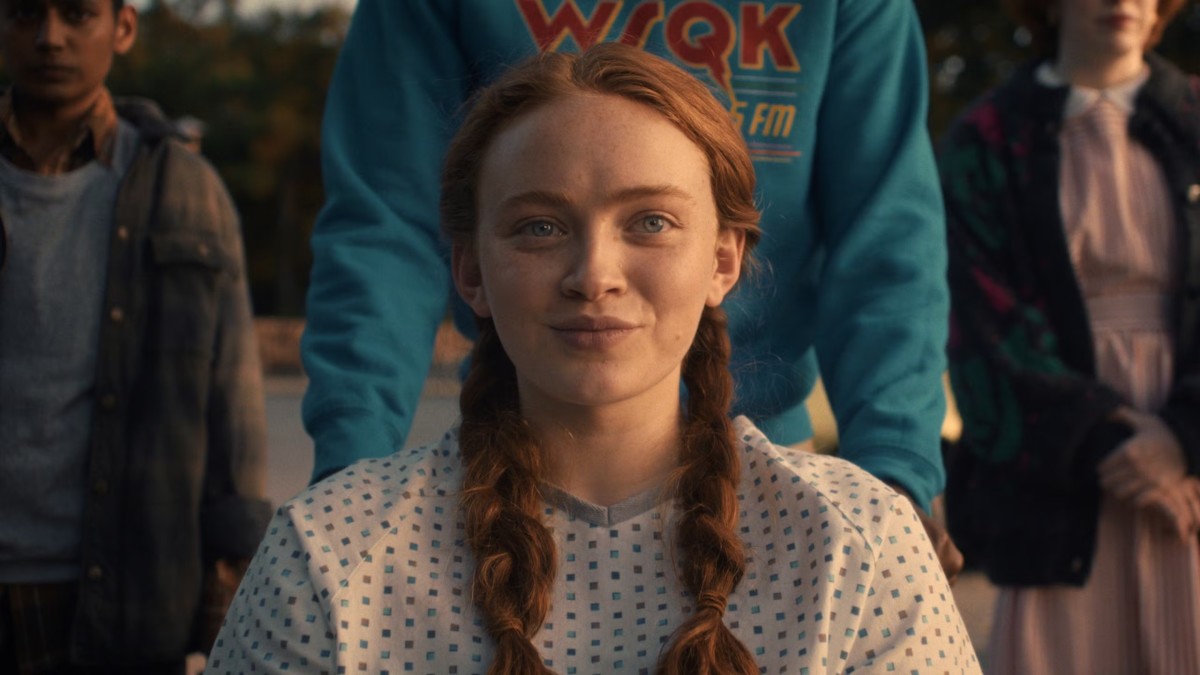
- Role: Max Mayfield
- Significance: The Breakout Cultural Performance
Joining the globally celebrated Netflix phenomenon Stranger Things in its second season, Sadie Sink faced the challenge of integrating into an already established ensemble cast. As Max Mayfield—a skateboarding, headstrong newcomer with a complex domestic life—Sink brought an immediate spark of grit and authenticity.
Her performance reached legendary status in the show’s fourth season, particularly in the critically lauded episode “Chapter Four: Dear Billy.” Portraying a teenager suffering from intense grief and survivor’s guilt, Sink delivered an emotionally raw, tour-de-force performance. The iconic sequence set to Kate Bush’s Running Up That Hill showcased Sink’s ability to anchor high-concept supernatural thriller elements with deep human vulnerability, earning her unanimous acclaim from critics worldwide.
2. The Whale (2022)

- Role: Ellie Sarsfield
- Significance: Dramatic Maturity Alongside Oscar-Winning Talent
In Darren Aronofsky’s psychological drama The Whale, Sink took on the demanding role of Ellie, the estranged, deeply angry teenage daughter of Charlie (played by Brendan Fraser). Acting opposite an Oscar-winning performance required immense control and poise.
Sink eschewed predictable teen tropes, endowing Ellie with a complex mix of teenage resentment, defense mechanisms, and hidden grief. Her sharp, fiery delivery provided vital dramatic tension throughout the intimate, single-location narrative, proving that Sink could excel in challenging, character-driven prestige cinema.
3. Fear Street Part Two: 1978 & Fear Street Part Three: 1666 (2021)
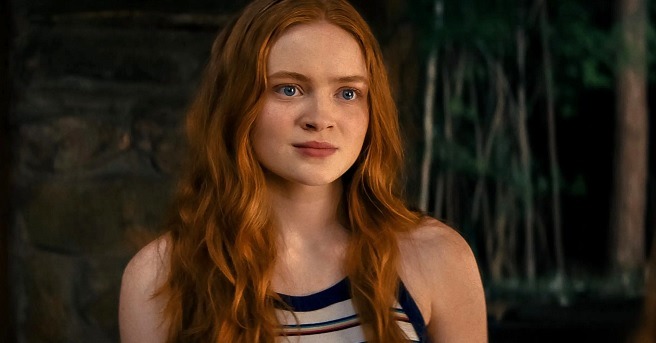
- Role: Ziggy Berman / Constance
- Significance: Genre Dominance in Horror Cinema
Netflix’s ambitious horror trilogy Fear Street, based on R.L. Stine’s popular book series, allowed Sink to showcase her leading-lady credentials within the slasher and supernatural horror genres. As Ziggy Berman, a rebellious camp counselor in 1978, Sink captured the classic final-girl resilience while maintaining grounded emotional weight.
Her performance bridged the gap between homage to 1970s slasher classics and modern character depth. Returning in the third installment as Constance in a 17th-century setting, Sink demonstrated impressive stylistic range, cementing her status as a favorite among horror and thriller audiences.
4. Dear Zoe (2022)

- Role: Tess DeNunzio
- Significance: Indie Drama Mastery
In the independent film adaptation of Philip Beard’s novel Dear Zoe, Sink stepped into a central lead role as Tess, a young woman navigating profound personal grief after losing her younger sister in a tragic accident.
The film relies almost entirely on Sink’s quiet emotional resonance. Rather than relying on big, melodramatic outbursts, she conveyed heartbreak, guilt, and coming-of-age growth through subtle facial expressions and restrained body language. Her performance anchored the independent film, earning praise for its delicate maturity.
5. The Glass Castle (2017)
- Role: Young Lori Walls
- Significance: Early Foundation in Biographical Drama
Based on Jeannette Walls’ best-selling memoir, The Glass Castle provided an early glimpse into Sink’s talent for intense biographical storytelling. Playing the younger version of Lori Walls alongside screen veterans like Brie Larson, Woody Harrelson, and Naomi Watts, Sink held her ground in a story centered on unconventional parenting and childhood survival.
Her depiction of a child forced to grow up quickly due to parental neglect showcased the instinctual emotional depth that would become the hallmark of her later, high-profile projects.
6. O’Dessa (2025)
- Role: Odessa
- Significance: Musically-Driven Post-Apocalyptic Narrative
Expanding her repertoire into speculative fiction and musical drama, Sink took the titular lead in Geremy Jasper’s rock-opera project O’Dessa. Set in a post-apocalyptic landscape, the film called on Sink to combine vocal performances with intense physical acting.
By combining musicality with rugged character motivation, Sink proved her refusal to be pigeonholed into a single genre, continually pushing her artistic boundaries into ambitious, non-traditional storytelling mediums.
7. Spider-Man: Brand New Day (2026)
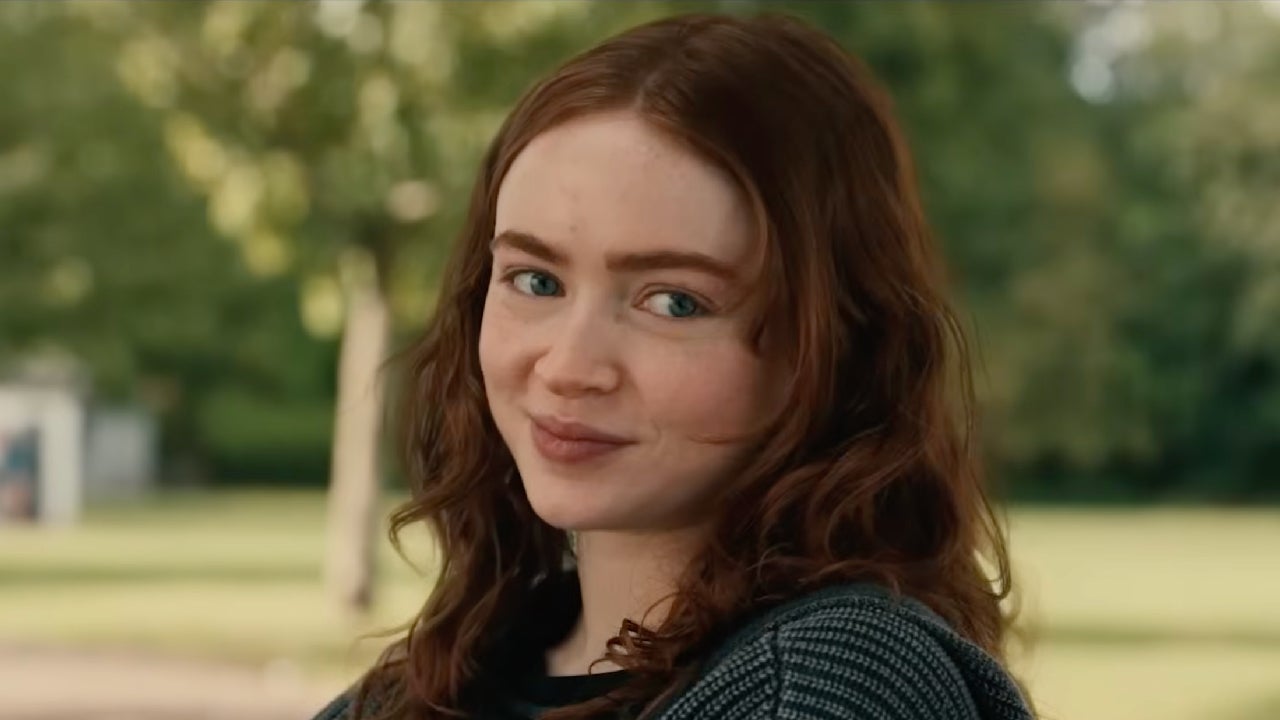
- Role: High-Profile Blockbuster Entry
- Significance: Transitioning to World-Class Franchise Cinema
Continuing her upward trajectory, Sink’s participation in major franchise cinema represents the natural progression of a premier screen actress. Balancing indie prestige films with large-scale cinematic universe projects allows actresses of her caliber to maintain both artistic integrity and global commercial reach.
Sadie Sink’s Best Roles Ranked – What Defines a Generation-Defining Performance?
When analyzing the careers of Sadie Sink and her peers, several key elements consistently separate standard performances from career-defining milestones:
- Emotional Courage: The willingness to dive into unglamorous, painful, or extreme emotional states without self-consciousness.
- Genre Versatility: Moving fluidly between indie character studies, high-budget franchise films, historical dramas, and psychological horror.
- Screen Presence and Subtext: Conveying internal narrative arcs, unspoken thoughts, and underlying tension without relying solely on scripted dialogue.
- Project Selection: Partnering with visionary directors and choosing scripts that challenge societal norms or subvert traditional character archetypes.
The landscape of modern acting is richer than ever, driven by performers who bring authenticity, technical precision, and emotional truth to the screen. As Sadie Sink and her contemporaries continue to select daring, complex projects, they redefine what it means to be the greatest actresses of our time.