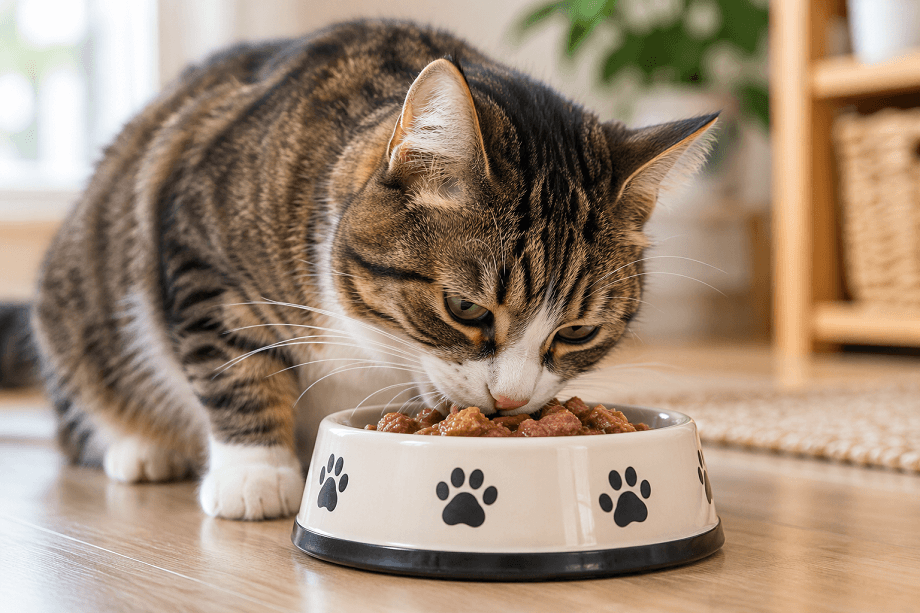
10 Human Foods Cats Can Eat Safely . Every cat owner knows the familiar scene: you sit down to enjoy a meal or prepare dinner, and your feline companion appears out of nowhere, gazing up with curious eyes and hopeful meows. While cats are obligate carnivores that require a specialized balance of nutrients found primarily in high-quality commercial cat food, offering an occasional human food treat can be a wonderful way to bond and provide variety.
However, a cat’s digestive system operates very differently from a human’s or a dog’s. Certain everyday ingredients in our pantries can cause severe digestive distress or toxicity, while others offer safe, nutrient-dense benefits when prepared properly.
Here is an in-depth breakdown of 10 human foods cats can eat safely, critical preparation rules, foods you must strictly avoid, and essential guidelines for cat parents.
The Top 10 Safe Human Foods for Cats
When offered in moderation as occasional snacks—not full meal replacements—the following 10 human foods provide safe, wholesome nutrition for your feline friend.
- 1. Cooked Chicken
Nutritional Benefit: High in lean protein, supports strong muscle development and overall energy.
Preparation Rules: Must be served plain, fully cooked, unseasoned, and completely boneless. Never offer chicken cooked with garlic, onions, heavy oils, or cooked bones, which can splinter and cause internal punctures. - 2. Eggs
Nutritional Benefit: A fantastic source of highly digestible protein, essential amino acids, and vital nutrients like taurine.
Preparation Rules: Always feed cooked eggs (scrambled or hard-boiled) without butter, salt, or oil. Avoid raw eggs entirely, as they carry risks of Salmonella contamination and contain avidin, an enzyme that hinders biotin absorption. - 3. Pumpkin
Nutritional Benefit: Exceptional for digestive health; rich in soluble fiber that aids both constipation and loose stools while helping soothe hairballs.
Preparation Rules: Serve plain, cooked, or canned pumpkin purée only. Never use pumpkin pie mix, which contains dangerous spices, added sugars, and artificial sweeteners like xylitol. - 4. Carrots
Nutritional Benefit: Packed with beta-carotene (vitamin A precursor), fiber, and essential minerals that support cellular health.
Preparation Rules: Steamed or boiled carrots are best. Raw carrots are difficult for cats to digest and pose a choking hazard unless chopped into tiny, bite-sized pieces. Serve plain without seasoning. - 5. Blueberries
Nutritional Benefit: Antioxidant-rich superfruits that support immune function, urinary tract health, and cellular repair.
Preparation Rules: Wash thoroughly and serve just one or two fresh blueberries at a time as a fun, low-calorie treat. - 6. Salmon
Nutritional Benefit: Abundant in omega-3 fatty acids, promoting healthy skin, a shiny coat, joint flexibility, and cardiovascular function.
Preparation Rules: Must be thoroughly cooked, unseasoned, and boneless. Avoid feeding raw salmon due to potential parasites, and limit canned salmon due to excess sodium levels. - 7. Sweet Potato
Nutritional Benefit: Filled with dietary fiber, vitamin A, and vitamin C to promote healthy gut motility and digestive regularity.
Preparation Rules: Serve thoroughly cooked, peeled, and mashed or diced plain. Never add spices, butter, or brown sugar. - 8. Plain Yogurt
Nutritional Benefit: Contains beneficial probiotics that support gut microbiome health and smooth digestion.
Preparation Rules: Choose unsweetened, plain yogurt (Greek yogurt is ideal due to lower lactose content). Ensure it contains zero artificial sweeteners or added flavorings. - 9. Cucumber
Nutritional Benefit: Highly hydrating and extremely low in calories, making it a refreshing crunch for overweight cats.
Preparation Rules: Peel the tough outer skin if needed, and slice or dice into small, manageable pieces. - 10. Apple
Nutritional Benefit: A good source of natural fiber, vitamin A, and vitamin C for immune system support.
Preparation Rules: Carefully remove all seeds, the core, and stems before serving small flesh pieces. Apple seeds contain cyanogenic glycosides, which are toxic to pets.
10 Human Foods Cats Can Eat Safely – Comparison of Feline Treat Options
To help you decide which natural treats best fit your cat’s specific health goals, consider this helpful guide:
| Human Food | Primary Health Goal | Best Preparation Method | Serving Frequency |
| Cooked Chicken | Muscle Maintenance & Protein Boost | Plain poached or boiled | 1–2 times weekly |
| Pumpkin | Hairball Control & Digestion | Plain canned purée | 1 teaspoon as needed |
| Salmon | Skin & Shiny Coat Support | Baked or steamed (boneless) | Once a week |
| Blueberries | Antioxidant & Cellular Support | Fresh and thoroughly washed | 1–2 berries occasionally |
| Cucumber | Low-Calorie Hydration | Fresh, peeled, and sliced | Great for hot days |
Toxic Foods Cats Should NEVER Eat ⚠️

While the ten foods listed above offer safe snacking options, several common human staples pose extreme toxic hazards to cats. Keep the following items strictly out of reach:
- Onion & Garlic: Members of the Allium family contain thiosulfates and disulfides that destroy red blood cells in cats, causing life-threatening hemolytic anemia. This includes raw, cooked, or powdered forms.
- Chocolate: Contains theobromine and caffeine, compounds that feline metabolisms cannot process. Ingestion causes muscle tremors, seizures, heart arrhythmias, and fatal toxicity.
- Grapes & Raisins: Known to cause sudden acute kidney failure in pets, even in small quantities.
- Caffeine: Coffee grounds, tea, and energy drinks lead to rapid heart rates, severe restlessness, hypertension, and organ damage.
- Alcohol: Even micro-amounts of alcohol cause central nervous system depression, coma, severe liver impairment, and death.
- Xylitol / Artificial Sweeteners: Found in sugar-free products and peanut butters; triggers severe insulin releases leading to hypoglycemia and liver failure.
Essential Guidelines for Cat Parents 🐾
To keep your feline companion safe, happy, and thriving, follow these golden rules whenever introducing human foods into their routine:
- Introduce New Foods Slowly: Every cat has a unique digestive system. Introduce one new food item at a time in tiny quantities to observe how their stomach reacts over 24 to 48 hours.
- Watch for Allergic Reactions or Distress: Discontinue feeding immediately if you notice signs of gastrointestinal upset (vomiting, diarrhea), skin itching, lethargy, or swelling.
- Follow the 10% Rule: Human foods and commercial cat treats combined should make up less than 10% of your cat’s total daily caloric intake. The remaining 90%+ must come from a complete and balanced commercial cat food designed for their specific life stage.
- Keep It Plain: Always skip the salt, garlic powder, onion powder, black pepper, butter, and cooking oils. What tastes delicious to humans can be toxic or cause acute pancreatitis in cats.
- Consult Your Veterinarian: If your cat has pre-existing conditions—such as kidney disease, diabetes, or food allergies—always check with your vet before introducing new foods to their diet.
By choosing plain, nutrient-rich ingredients and offering them in carefully controlled portions, you can treat your cat safely while supporting their long-term health and vitality.