
Top 9 Best Drinks for High Blood Pressure . High blood pressure, clinically known as hypertension, is often referred to as the “silent killer” because it can quietly damage cardiovascular health for years without displaying obvious symptoms. Managing hypertension typically involves a combination of medical supervision, stress management, regular physical activity, and dietary adjustments. While reducing sodium intake and eating nutrient-dense whole foods are well-known dietary strategies, what you drink plays an equally critical role in regulating systemic vascular resistance and supporting cardiovascular health.
Certain natural beverages contain key vitamins, essential minerals like potassium and magnesium, powerful antioxidants, and organic compounds like dietary nitrates that relax blood vessels and improve blood flow. Incorporating these functional beverages into your daily routine offers a simple, refreshing, and effective way to support healthy blood pressure levels.
Below is an in-depth breakdown of the top 9 best drinks for managing high blood pressure, supported by nutritional science.
1. Water

- Key Benefit: Keeps you hydrated and supports optimal blood circulation.
- Primary Nutrients: Essential hydration, trace minerals.
Water is the foundation of human physiological function and cardiovascular stability. Dehydration causes the blood to become thicker and more viscous, forcing the heart to pump harder to circulate blood through the body. Furthermore, when the body senses a lack of water, it releases vasopressin, a hormone that causes blood vessels to constrict, leading to elevated blood pressure levels.
Drinking adequate amounts of clean water daily helps maintain ideal blood volume, allowing blood to flow smoothly through arteries and veins. Proper hydration also aids the kidneys in flushing out excess sodium—a primary dietary driver of fluid retention and high blood pressure.
2. Coconut Water
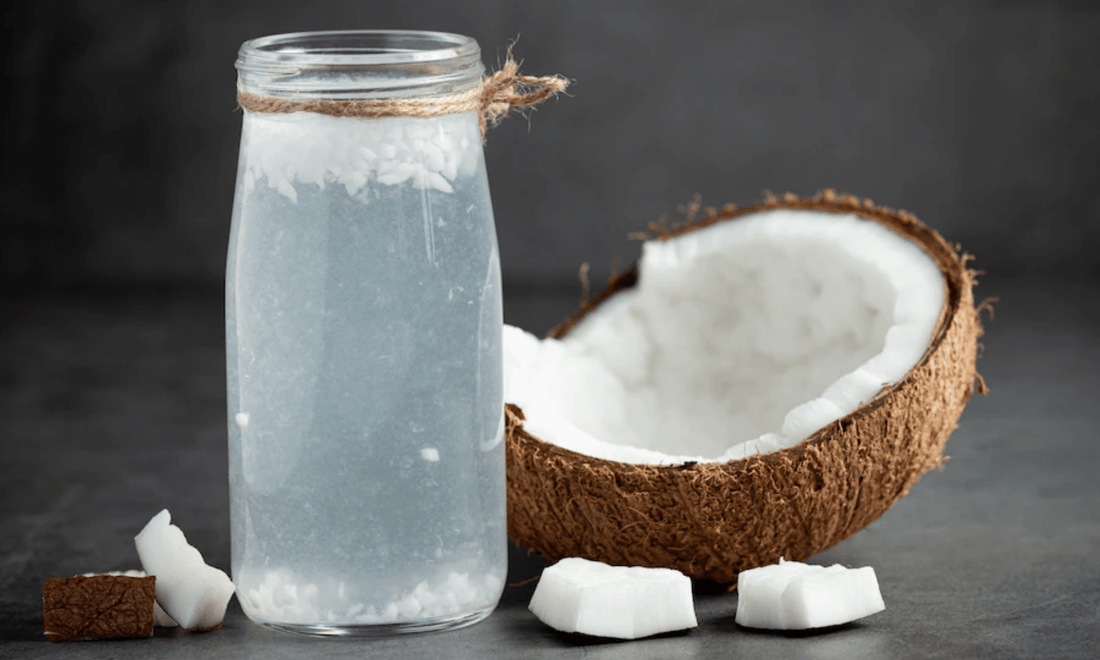
- Key Benefit: Rich in potassium and natural electrolytes to balance sodium.
- Primary Nutrients: Potassium, magnesium, natural electrolytes.
Coconut water is a clear, nutrient-rich beverage harvested from young green coconuts. It stands out as an exceptional natural electrolyte drink, boasting high concentrations of potassium and magnesium with minimal natural sugars compared to commercial sports drinks.
Potassium plays a vital counteractive role against sodium in the human body. High sodium intake causes the body to hold onto excess water, raising intravascular pressure. Potassium encourages the kidneys to excrete sodium through urine while simultaneously relaxing tension within the walls of blood vessels. Regularly sipping pure coconut water offers a natural, hydrating boost of potassium that helps keep arterial pressure in check.
3. Pomegranate Juice

- Key Benefit: High in potent antioxidants that protect blood vessels and support heart health.
- Primary Nutrients: Punicalagins, polyphenols, vitamin C, potassium.
Pomegranates are renowned for their extraordinarily high concentration of polyphenols and punicalagins—unique, bioavailable antioxidants that protect the cardiovascular system from oxidative stress and chronic inflammation.
Pomegranate juice has been shown to inhibit angiotensin-converting enzyme (ACE), an enzyme that causes blood vessels to constrict. By naturally inhibiting ACE, pomegranate juice promotes vasodilation—the widening of blood vessels—which allows blood to flow more freely and lowers overall blood pressure. For maximum cardiovascular benefits, choose 100% pure pomegranate juice with no added sugars.
4. Beet Juice (Beetroot Juice)

- Key Benefit: Helps improve blood flow and rapidly lowers blood pressure.
- Primary Nutrients: Dietary nitrates, betalains, folate, potassium.
Red beetroot juice is widely considered one of the most powerful functional beverages for rapid blood pressure management. The secret behind beetroot juice lies in its exceptionally high concentration of naturally occurring dietary nitrates ($\text{NO}_3^-$).
When consumed, salivary bacteria and stomach enzymes convert these nitrates into nitric oxide ($\text{NO}$), a crucial gas molecule that signaling arterial smooth muscles to relax. This process, known as vasodilation, reduces resistance in blood vessels, enhances oxygen delivery to tissues, and noticeably lowers systolic blood pressure within hours of consumption. Drinking a daily glass of fresh beet juice offers significant long-term structural benefits for arterial flexibility.
5. Green Tea
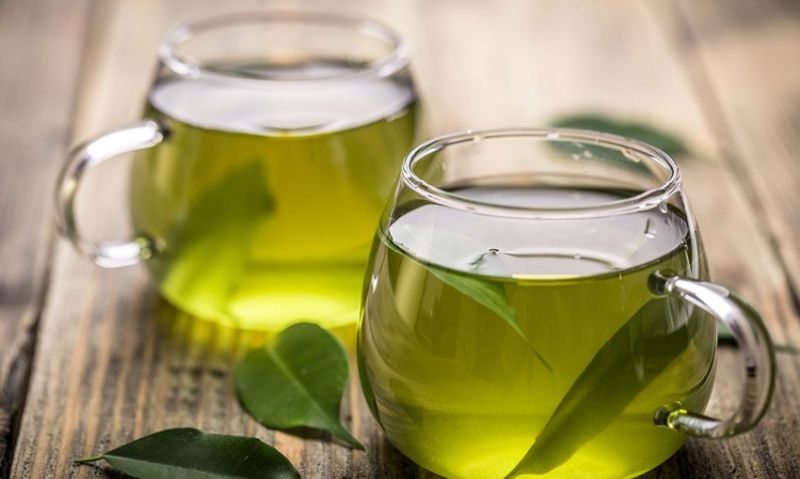
- Key Benefit: Contains antioxidants that support overall heart health and vascular elasticity.
- Primary Nutrients: Epigallocatechin gallate (EGCG), catechins, L-theanine.
Green tea has been consumed for thousands of years as a wellness tonic, and modern research validates its profound benefits for heart health. Green tea leaves are rich in catechins, specifically epigallocatechin gallate (EGCG), a potent antioxidant that combats vascular inflammation and prevents endothelial dysfunction.
Regular green tea consumption improves the functional health of the endothelium— the inner lining of blood vessels—ensuring that arteries remain flexible and responsive. Additionally, the amino acid L-theanine found in green tea promotes psychological relaxation and stress reduction, helping prevent stress-induced blood pressure spikes.
6. Hibiscus Tea

- Key Benefit: May help reduce blood pressure naturally through diuretic and vasodilatory properties.
- Primary Nutrients: Anthocyanins, organic acids, flavonoids.
Brewed from the vibrant dried calyces of the Hibiscus sabdariffa plant, hibiscus tea is a tart, deep-red herbal infusion famous across traditional medicine systems for its cardiotonic qualities.
Clinical studies demonstrate that hibiscus tea acts as a natural ACE inhibitor and mild diuretic. By promoting fluid loss through the kidneys and preventing blood vessel constriction, hibiscus tea helps lower both systolic and diastolic blood pressure levels effectively. Drinking two to three cups of unsweetened hibiscus tea daily offers a refreshing caffeine-free alternative that actively supports cardiovascular stability.
7. Lemon Water

- Key Benefit: Vitamin C supports healthy, flexible blood vessels and neutralizes free radicals.
- Primary Nutrients: Vitamin C, bioflavonoids, citric acid, potassium.
Lemon water—made simply by squeezing fresh lemon juice into warm or room-temperature water—is a classic daily wellness ritual that delivers substantial cardiovascular rewards. Lemons are loaded with vitamin C and citrus bioflavonoids like hesperidin.
Vitamin C plays an indispensable role in the synthesis of collagen, the primary structural protein responsible for keeping blood vessels elastic, soft, and durable. Flexible arteries expand easily as blood is pumped through them, keeping systemic pressure low. Bioflavonoids also work synergistically to reduce inflammation within blood vessel walls and enhance circulation.
8. Tomato Juice

- Key Benefit: Rich in lycopene and potassium for comprehensive heart health.
- Primary Nutrients: Lycopene, potassium, vitamin A, vitamin C.
Tomato juice is a nutrient-dense vegetable juice packed with lycopene, a red carotenoid pigment and powerhouse antioxidant strongly associated with reduced risks of cardiovascular disease and stroke.
Lycopene helps prevent the oxidation of low-density lipoprotein (LDL) cholesterol, a key trigger for plaque buildup and hardening of the arteries (atherosclerosis). When combined with the high potassium levels naturally present in tomatoes, unsalted tomato juice helps maintain smooth blood circulation and keeps systemic blood pressure levels within a healthy range. Always select unsalted or low-sodium tomato juice varieties to avoid counteracting its natural benefits.
9. Low-Fat Milk
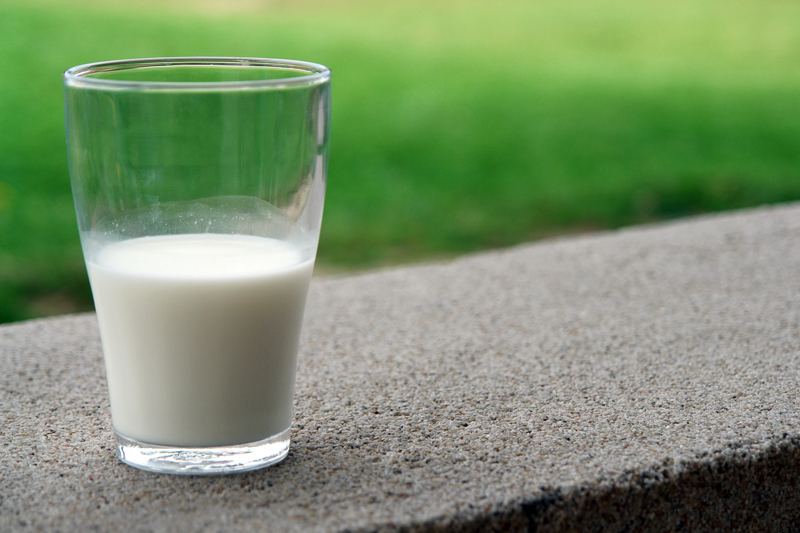
- Key Benefit: Provides calcium, vitamin D, and bioactive peptides for heart health.
- Primary Nutrients: Calcium, vitamin D, potassium, high-quality protein.
Dairy products are central to dietary frameworks specifically designed to combat hypertension, such as the famous DASH (Dietary Approaches to Stop Hypertension) diet. Low-fat and skim milk deliver an optimal combination of calcium, potassium, and magnesium—a triad of minerals that regulate muscle contraction and vascular relaxation.
Furthermore, milk contains bioactive peptides formed during digestion that have been shown to exert mild ACE-inhibiting effects, relaxing blood vessels naturally. Choosing low-fat or fat-free milk ensures you receive the vascular benefits of calcium and protein without adding excessive saturated fats to your daily intake.
Top 9 Best Drinks for High Blood Pressure – Key Tips for Maximizing Cardiovascular Health
While integrating these healthy beverages into your daily life is an excellent step forward, optimal blood pressure management relies on holistic habits:
- Watch for Hidden Sodium: When purchasing packaged beverages like tomato juice or coconut water, always check nutrition labels to ensure no extra sodium or refined sugars have been added.
- Maintain Consistency: Functional beverages work best when consumed regularly over time as part of an overall balanced lifestyle rather than as a one-time quick fix.
- Balance Your Diet: Combine these drinks with a nutrient-rich diet abundant in leafy greens, whole grains, lean proteins, berries, nuts, and seeds.
- Consult Healthcare Professionals: If you are currently taking prescribed antihypertensive medications (such as ACE inhibitors or diuretics), consult your physician before significantly increasing intake of high-potassium or nitrate-rich juices to avoid interactions.
By making small, deliberate choices today—starting with what you pour into your glass—you take meaningful, proactive steps toward a healthier heart and long-term vascular vitality tomorrow.